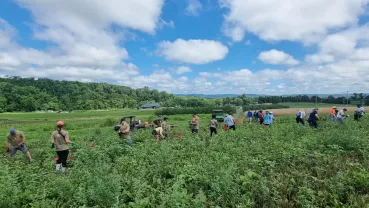
Preserving our environment
Our key figures for 2025
Focus on responsible sourcing
We constantly strive to guarantee transparent, traceable and responsible sourcing of our raw materials.
For that, by 2030, 100% of our biobased raw materials used for personal care applications will be traceable, from sustainable sources and not contributing to deforestation. In addition, we will ensure respect for the rights of the women and men involved in the industries concerned.
This commitment requires us to pay particular attention to the environmental and social impacts of our raw materials supply chains. Some, less transparent than others, requiring us to redouble our efforts. This is the case for palm and palm kernel oil, where we need to move towards responsible production that respects the environment and communities, while retaining the added value of this oil. This is why, since 2010, we are a member of the RSPO (Roundtable on Sustainable Palm Oil). Our manufacturing sites in Saint-Priest, Singapore and Lufkin (Texas) are RSPO-certified.
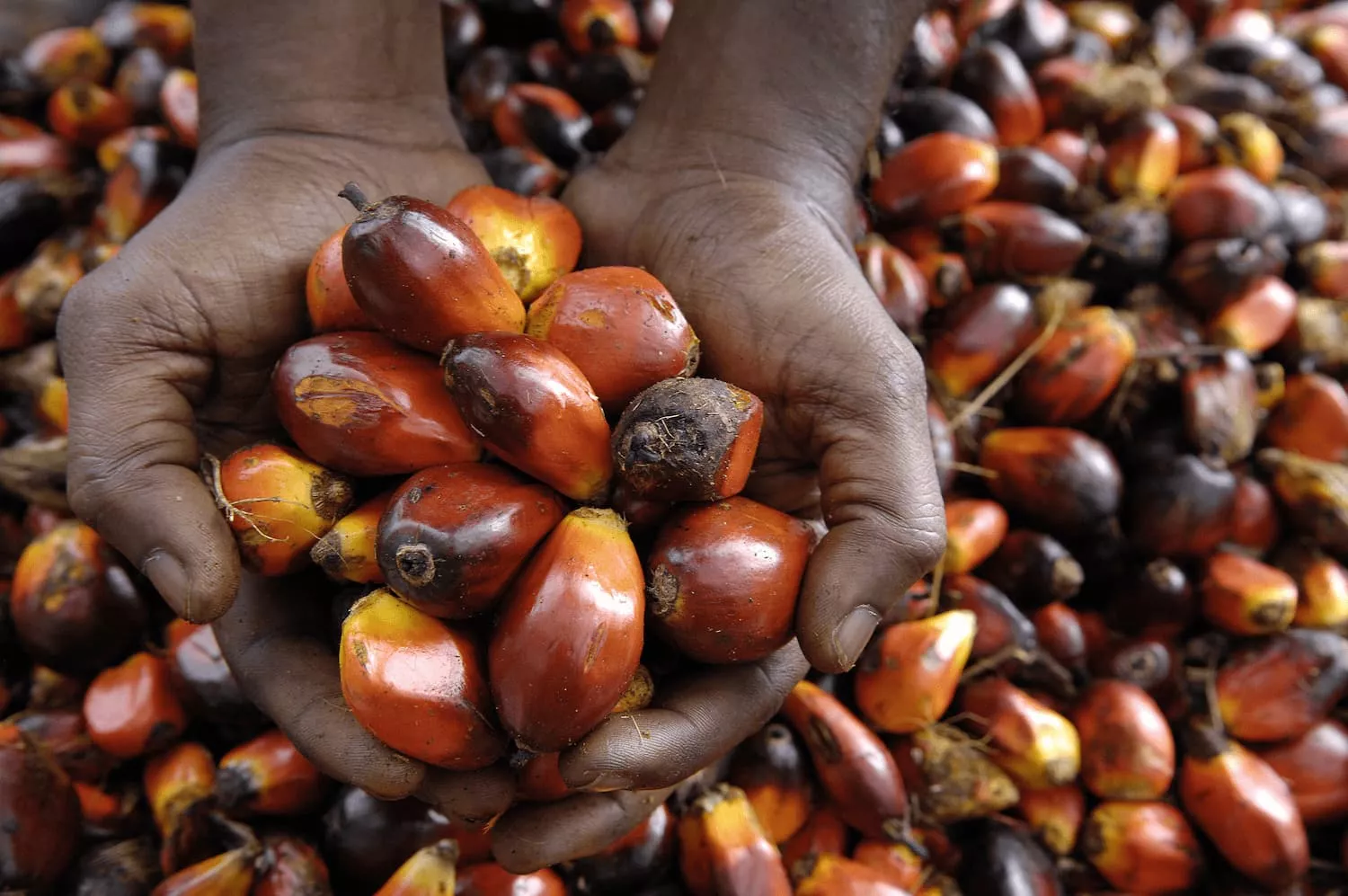

Since 2018, all new ingredients using palm and palm kernel derivatives in their manufacturing processes must comply at least with the mass Balance Model. Now, 100% of the palm oil and palm kernel oil derivatives we use in the development of our personal care ingredients are certified sustainable (model MB or SG) according to RSPO criteria.
A grievance management procedure is available, as well as the list of mills involved in our value chain.
To go a step further in our approach to transparency and traceability of palm oil derivatives, we have joined the ASD (Action for Sustainable Derivatives) collective. In 2026, the traceability investigation (based on our 2025 palm derivatives supplies) enabled us to achieve a very good level of transparency in our supply chain:
Finally, in 2024, we assessed our Deforestation and Conversion Free (DCF) indicator at 58%, based on the RSPO cut-off date, using the Nusantara Atlas satellite monitoring tool. This initial measurement provides a baseline to track our progress.
We continue to work collaboratively with our partners and suppliers to gradually increase the share of DCF volumes.
Initiatives to limit our environmental impact
To tackle the emergency of climate change, we have integrated technical skills in-house in order to implement our carbon trajectory and reduce our impact on resources and ecosystems.
Related content
Innovating with care and responsibility
For several years now, Gattefossé has been committed to a responsible approach based on a collective ambition: to innovate responsibly and act with care in the face of environmental and social emergencies. This dynamic ambition is reflected in a structured roadmap, Gatt'Up&Act, which is now based on 25 ambitious and realistic objectives designed to guide the group's actions for the next decade.
Caring for our people
As a family run group since 1880, we are committed to taking care of our talents all over the world. All our employees represent the main resource to ensure our development and are a true source of dynamism and diversity. Their well-being, health, safety and personal fulfillment are at the heart of our concerns.
Acting as a world citizen
The societal pillar of our CSR roadmap is one of the fundamentals of Gattefossé's culture and is structured around two priority issues: ethical relationships with the various stakeholders in our value chain, and the civic engagement of the company and all its employees. This commitment is expressed through concrete corporate philanthropy actions in the service of the common good.